Dyke Nite Orlando Takes The Cake With Latest Event
February 22, 2026
Exploring Orlando Artistry at CityArts’ 3rd Thursday
March 3, 2026

Siria Andino from Orlando Life in downtown Orlando
The Return of Personal Style: Why Individuality Is Replacing Aesthetics
For nearly a decade, fashion has moved at algorithm speed.
We cycled through highly defined aesthetics such as quiet luxury, ballet inspired silhouettes, heritage revivals, and structured minimalism. Each arrived fully formed, heavily filtered, and instantly replicable. The result was a kind of visual sameness disguised as individuality.
But something is shifting.
Across major fashion publications, from Vogue to Harper’s Bazaar, Elle, and The Cut, editors have begun observing a subtle but decisive return to self directed dressing. The conversation seems to be shifting away from “what is the current prescribed aesthetic “ to “ how does that aesthetic serve me”.
You can say that the mood has changed from acquisition to authorship.
Trend fatigue, once whispered among stylists and industry insiders, is now visible in consumer behavior. As reported in industry analyses by Business of Fashion, shoppers are becoming more selective. They are buying fewer pieces, but better ones. They are asking different questions like Does this feel like me? Will I return to this? Does it hold? Will it be worth the investment in a few months?
What once could be mistaken by minimalism has now become an act of discernment.
Identity, Intentionality, and the New Wardrobe Logic
After years of cycling through externally packaged visual narratives, society is returning to something quieter. Coherence.
Digital culture encouraged rapid experimentation. Borrowing silhouettes, testing proportions, and trying visual variants can feel expansive at first. There is a thrill in reinvention, and in discovering how easily identity can be reshaped through fabric and form.
But constant reinvention without integration creates fragmentation. Over time, excitement begins to blur into uncertainty. A sense of never having what to wear. A feeling of never being entirely aligned with what is already in the closet. When every season introduces a new visual identity, the wardrobe becomes reactive rather than reflective. Eventually, that reaction feels ungrounded, even confusing.
Psychological research on identity development suggests that exploration is a necessary phase of growth. Early experimentation allows individuals to test preferences and refine expression. Over time, however, alignment becomes more valuable than novelty. We begin to care less about what is new and more about what is consistent. This shift influences not only how we invest in our wardrobes, but how we feel about the pieces we already own. Clothing, one of our most visible forms of self expression, mirrors that evolution.
In The Psychology of Fashion, Carolyn Mair explores how dress functions as nonverbal communication, signaling autonomy, values, and belonging. When clothing choices align with internal identity, individuals report greater authenticity and emotional steadiness. You can say your presentation should aid you in feeling integrated into your life rather than feel like a show you have to put on to show up.
In Mind What You Wear, Karen Pine examines how meaningful attachments to garments influence mood and outlook. Pieces that resonate beyond trend cycles often serve as stabilizers because they feel true, and easy. The return to personal style seems to be driven by personal development rather than nostalgia.
Maybe what we’re witnessing isn’t trend fatigue,maybe it’s just awareness. The economy has slowed consumption in a way that has quietly deepened consciousness. When buying becomes more considered, style becomes more personal in many ways. Trends seem to be becoming points of reference, rather than the exact instructions of how to look updated. In this new wave of consciousness inspiration will always be welcomed but imitation has passed on to being optional.
A broader cultural recalibration is underway that further supports this idea. Reports from Business of Fashion and sustained editorial coverage in Vogue and Harper’s Bazaar reflect increasing consumer emphasis on longevity, investment dressing, and intentional wardrobes. The modern shopper is more conscious financially, environmentally, and emotionally.
Personal style can definitely offer stability in a culture defined by acceleration. It allows a person to move through seasons, both literal and personal, without abandoning themselves each time the algorithm updates.
Why Society Is Returning to Identity Centered Dressing
The shift toward individuality is rooted in deeper cultural impulses.
The Need for Continuity
Aesthetic cycles promise transformation. Personal style offers continuity, stability and a sense of reassurance. As industries shift, careers evolve, relationships deepen, and definitions of success change, external roles are already in motion. The wardrobe becomes one of the few domains where identity can be deliberate rather than reactive.
Continuity does not imply boredom. It means recognizing which silhouettes, textures, and proportions consistently feel authentic and allowing those elements to anchor change rather than compete with it.
Cognitive Clarity
The abundance of visual input has created a paradox. More inspiration, less clarity. When every scroll suggests a new version of cool, decision fatigue increases. Editing a wardrobe around a coherent personal signature reduces mental friction. Getting dressed becomes intuitive again. Fewer options, chosen thoughtfully, restore ease. Personal style should not feel restrictive but liberating.
Emotional Integrity
Identity centered dressing fosters emotional congruence. When your wardrobe aligns with your day to day life and your personal growth rather than digital expectation, what you wear feels confident, even comforting. There is less adjustment and less second guessing. The outfit supports presence rather than distracts from it. This is where discernment replaces consumption.
How Personal Style Is Actually Found
The search for personal style is something that is developed and mastered over time.
It begins with observation.Which pieces survive closet edits year after year. Which silhouettes feel like home. Which palettes quietly return, even when forecasts move elsewhere.
Stylists writing in many platforms have noted that clients increasingly seek refinement rather than reinvention. The goal seems to be to a sharper articulation of who they already are or who they are becoming.
The process unfolds gradually. Identify emotional constants. Notice whether you gravitate toward structure or fluidity, contrast or softness. Honor reality.
Climate, profession, and daily rhythm shape authenticity more than inspiration boards ever will.
Edit rather than expand. Remove what consistently feels forced. Keep what feels natural.
Allow repetition. Things in your wardrobe should be repeatable, not disposable.
Finding personal style is about recognizing the patterns that have always been there and refine them.
The Future of Fashion May Be Slower and More Intentional
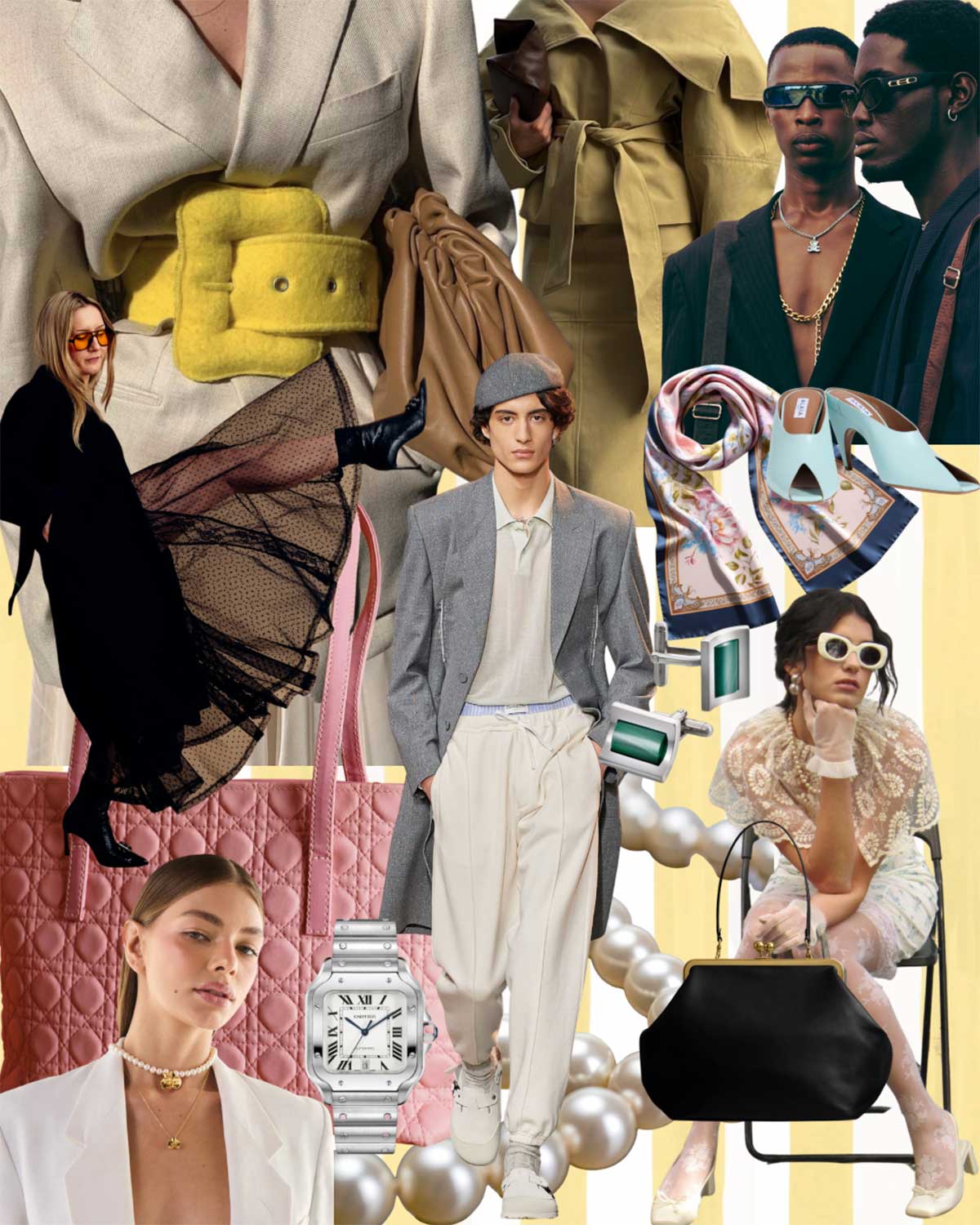
Fashion will continue to move. It always has. But identity does not need to reset each season.
What we’re seeing isn’t people pushing back on change but more that people are being more thoughtful about which changes they actually adopt.
A willingness to participate without absorbing everything. To borrow without becoming unrecognizable or becoming a copy paste version of someone else.
Personal style should not compete with culture, it should filter it. And filtering is a skill. Developing this skill requires us to ask better questions, such as will this feel like me 6 months from now rather than is this trending. Does this align with where I am going, instead of who is wearing this.
The modern wardrobe is being built on consideration, not the need to overconsume.What you return to repeatedly reveals more about your style than what you experiment with once. And perhaps that is the shift worth paying attention to.
Personal style doesn’t arrive in one big transformation. It shows up in the small choices you repeat.
Notice them. Refine them. Build from them.
That is where real individuality begins.