[No Spoilers] Honest Review of Harry Potter & The Curse Child
January 30, 2026
February Networking Events: This is the Month to Show Up Differently
February 1, 2026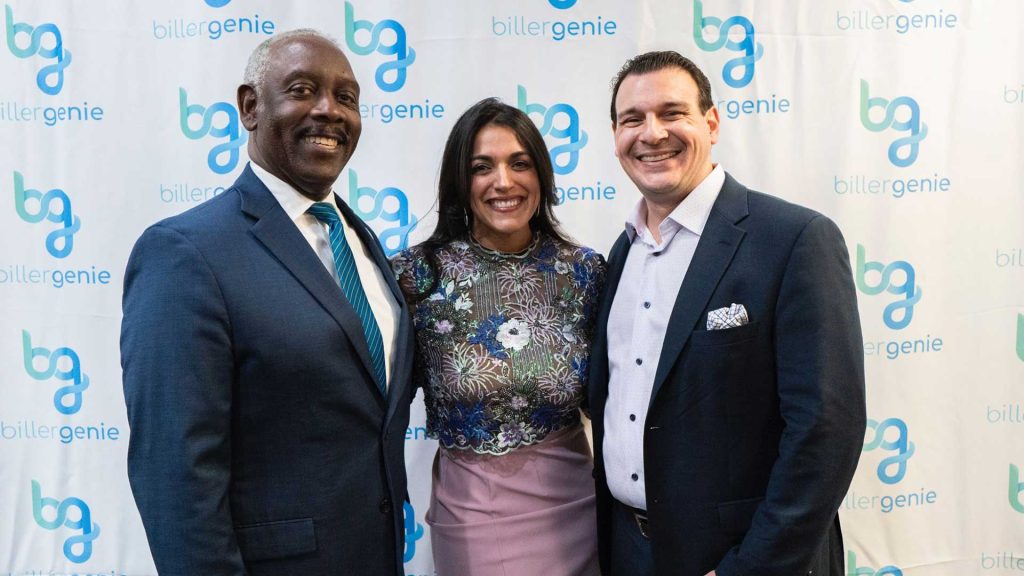
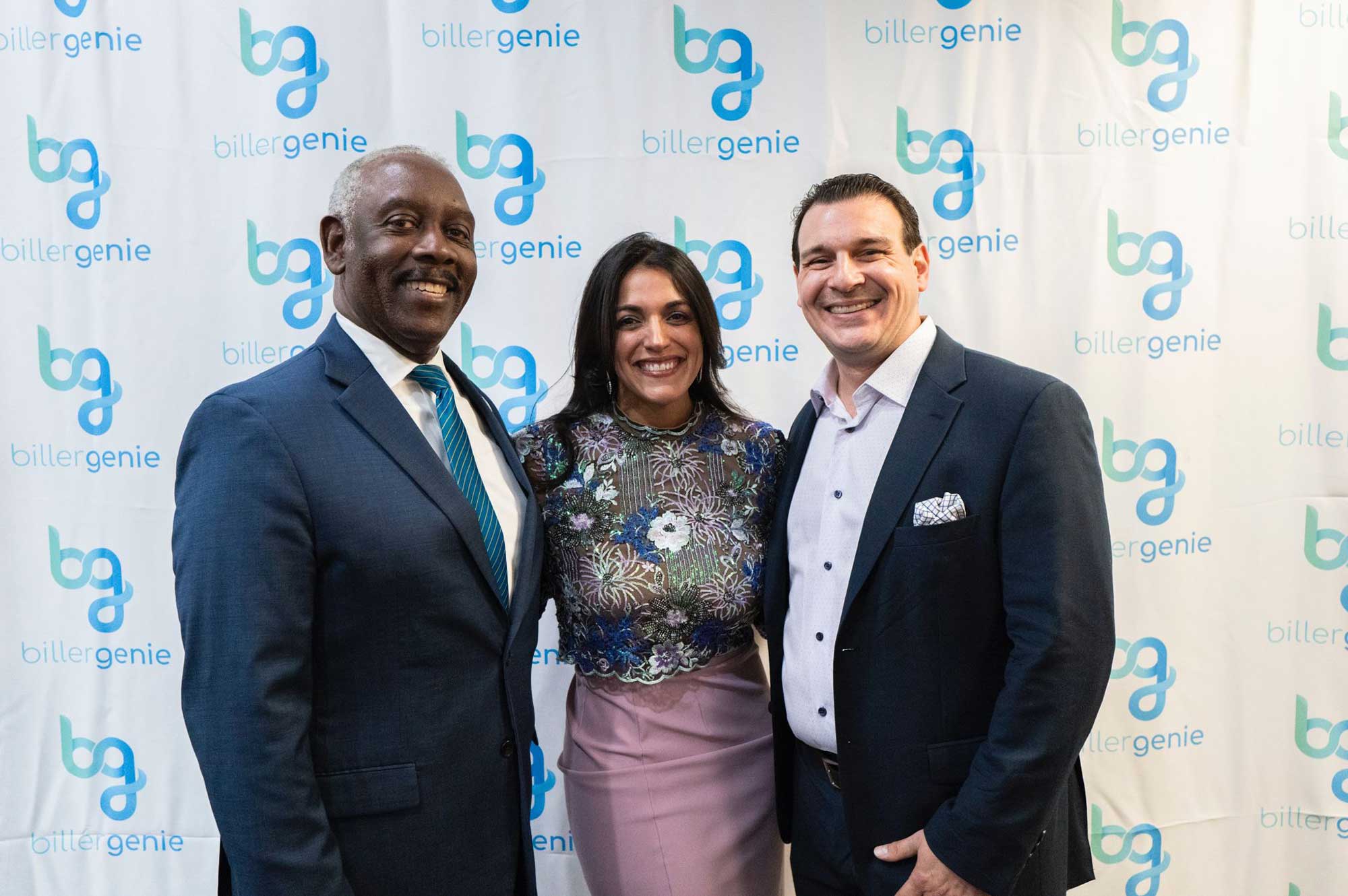
Left to right, Mayor Jerry Demings, Garima Shah, Thomas Aronica | Photo from LinkedIn
The Invisible Engine: Why Orlando Works When the World Breaks
January 30, 2026
There is a misconception that "tech" is something that happens on a screen. People often think of apps that deliver burritos, social networks that steal your attention, or digital coins that do not exist. If that is your definition of a tech hub, the Orlando region is not one.
But if you define technology as the invisible infrastructure that keeps the physical world running, then Orlando is arguably the most important hub in America right now. This includes the glass in a night-vision goggle, the guidance system of a rocket, the robotic arm in a surgery suite, or the simulation that trains a pilot to land in a storm.
January 2026 proved this in a way that is almost impossible to ignore
The secret to this region is not that we have a lot of different industries. It’s that we have one massive, interchangeable skill set. The same engineer who writes the code for a missile defense system at L3Harris is using the same math as the developer building the next stadium in Madden at EA Sports. The spatial computing expert mapping a theme park ride is using the same digital twin technology as the surgeon at Orlando Health practicing a complex procedure.
In other cities, talent stays in its lane. In Central Florida, talent compounds. Orlando has an industrial engine that runs on simulation, optics, and heavy manufacturing.
The "Real" Economy vs. The Hype Economy
To understand the difference, look at what happened on January 13. While the rest of the tech world was chasing the latest software trend, the Department of Defense quietly wired $1 billion directly into L3Harris.
They did not do this to buy a gadget. They took an equity stake in the company to secure the supply chain for solid rocket motors. It was a massive validation of our region’s manufacturing capabilities. The federal government essentially bet on Central Florida’s factories to secure a critical national asset. That is the difference between a tech hub and a defense industrial base. One is nice to have, while the other is essential.
You see this same reality-first approach in how our local companies grow. In other markets, success is often measured by valuation hype. In the Orlando region, success is measured by payroll.
Take Biller Genie. They are a fintech company, but they did not just announce a $22 million fundraising round this month to throw a party. On January 22, they opened a 14,000-square-foot headquarters on Millenia Blvd with Mayor Jerry Demings in attendance to cut the ribbon. They are filling that office with your neighbors. That is what an actual economy looks like: capital turning into concrete footprint and high-wage jobs.
The Heavy Lift
This month also clarified that we are the "heavy lift" capital of the world, and I mean that literally.
On January 17, the Artemis II SLS rocket rolled out to Launch Pad 39B. At the same time, LightPath Technologies, a company right down the street, acquired a competitor called Amorphous Materials. This move solidified their position in the global market for infrared glass.
Why does that matter to you? Because if a high-tech sensor is looking at something anywhere on Earth, or off it, it is likely looking through a lens made here.
The Bottom Line
We are living in the only region in the country where Make Believe, such as gaming and theme parks, and Make Sure It Works, such as defense and healthcare, have merged into a single economy.
So, the next time someone asks you about the Orlando region’s tech scene, tell them we have something better. We have an industrial engine that builds the things the rest of the world relies on.
If you want to see what that engine looks like, not on a spreadsheet but in a room full of the actual humans building it, we are gathering the entire ecosystem on February 20th at the Dr. Phillips Center for the Orlando Tech Summit & Community Awards.
It is time to see the build for yourself.